

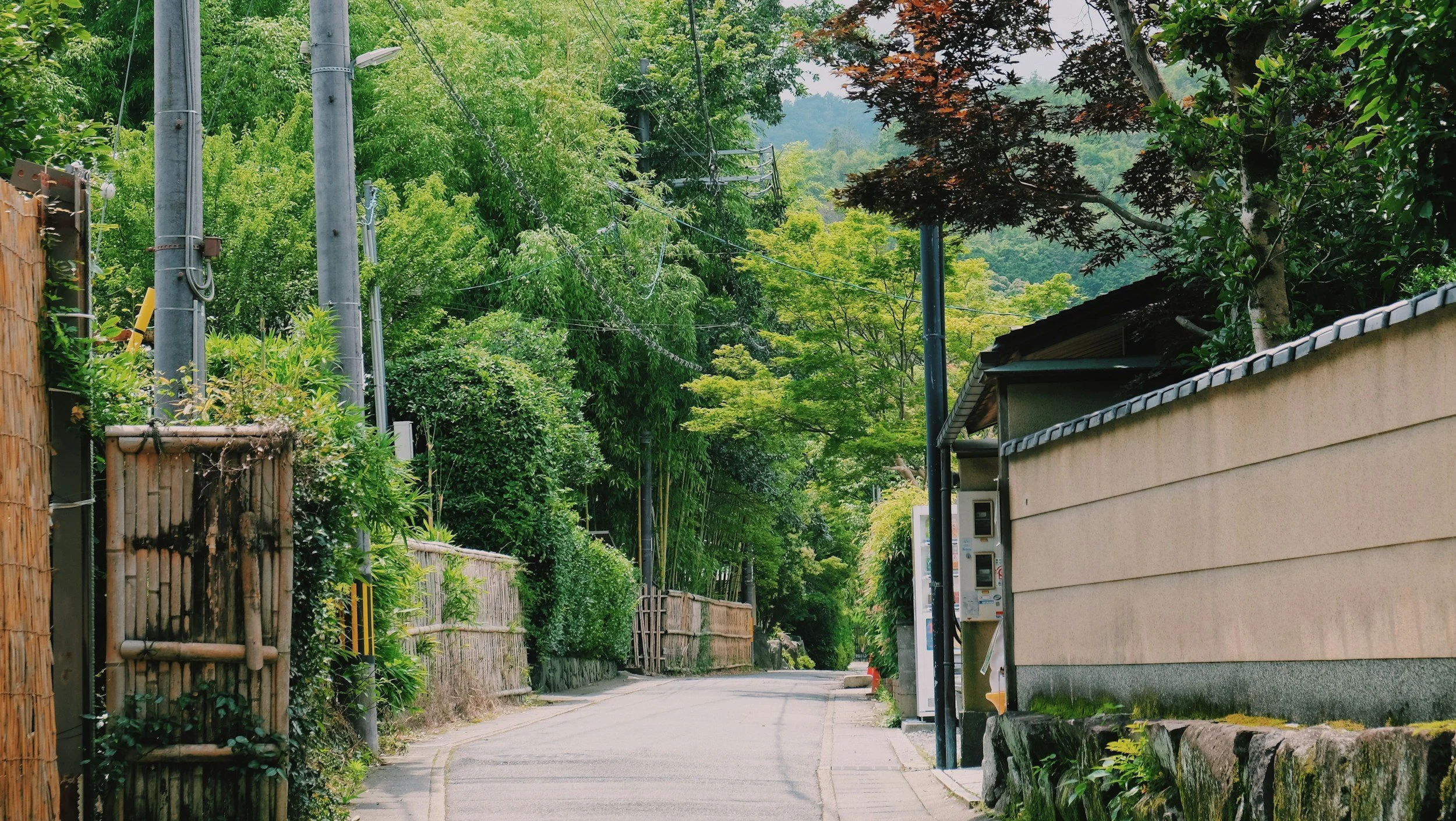
If you are planning a trip to Japan right now, you’re probably becoming aware of a major challenge here.
Social media and glossy travel videos show endless crowds in Kyoto, Shibuya crossings packed with people and queues at every photo spot. It can start to feel like there is no room left for a quiet trip.
Well, there is, but it rarely happens by accident.
The biggest lever you have is where you spend the night. Your choice of base affects how early you can get to sights, what your evenings feel like and whether you ever get a break from the noise in your own head, let alone the noise in the street.
This guide is designed to give you a realistic look at overnight stays that fit into common Japan travel routes, and give you calm without making logistics painful.
Is Everywhere in Japan Crowded & Touristy? How Do You Find Places with Character?
Hardly!
Most of Japan is quiet. Most of Japan isn’t touristy.
But most of the places that tourists end up in? That’s a different story.
Still, if you prefer a slow travel approach to Japan, one that rewards you with local, legit and likely memorable experiences, you’ve got plenty of options.
“Calm,” “local” and “legit” don’t have to mean boring, or impossible.
In Japan it might mean:
Streets that are busy in the day but quiet by late evening
A ryokan where the loudest sound is the bath filling
A small port where locals walk their dogs as you walk back from dinner
Character is not about themed decor or a gimmick (leave those to Japan’s tourist traps). It shows up in places where the stay feels rooted in its surroundings. Tatami floors, seasonal meals, local onsen water, or even a simple modern room that still opens to a real neighborhood instead of a six lane road.
You still might pass a few tour groups during the day. That is fine. The key is that when you go “home” for the night, the pace drops.
What Are Some Nice Mountain Towns & Onsen Villages in Japan?
If you want one type of stay that immediately changes the mood of a trip, it is a night in a mountain town with a hot spring.
In places like Kinosaki Onsen in Hyogo, the town itself is the experience. You put on a yukata, step out of your ryokan and move from bath to bath along lantern lit streets. The day trippers leave, and the sound of clacking wooden sandals takes over.
Rooms are simple but spacious, with tatami, futons and low tables. Dinner is often served in your room or a private dining space with local seafood or Tajima beef.
Yufuin and Kurokawa Onsen in Kyushu work in a similar way. Small streets, mountain air, inns that focus on food and baths instead of nightlife.
In winter, ski and onsen towns offer another kind of calm. Nozawa Onsen mixes slopes and village life. You can spend the day in the snow then walk to steaming public baths that feel more like community hubs than tourist facilities.
Even without formal sightseeing, one or two nights in places like these often become the core memory of the trip. They give your brain a break from train schedules and city crossings.
Still gathering ideas?
Tell us what you're dreaming of.
If you aren't ready for a formal consultation but want to get your ideas on paper, share your trip details with us. Tell us your dates, your challenges, and what you’re most excited about, and we’ll see how we can help.
Share My Trip DetailsWhere Are Some Islands & Peninsulas with Breathing Room?
Japan’s islands and peninsulas naturally slow things down. They take a little longer to reach, which filters the visitor flow without making them inaccessible.
Shodoshima in the Seto Inland Sea has olive groves, rugged coastlines and small inns that feel more like guesthouses than hotels. Many have sea views, home cooked dinners and owners who are happy to chat in simple English or gestures.
Parts of the Noto Peninsula on the Sea of Japan coast have long focused more on fishing, farming and crafts than tourism. As recovery continues in some areas after the earthquake, you still find ryokans and minshuku that mostly serve domestic travelers. The pace is slow, and a lot of the charm comes from small details like breakfast with local fish or evenings with almost no traffic outside.
Amakusa off the coast of Kumamoto offers quiet bays, churches from its Christian heritage and compact hot spring resorts. It pairs well with a broader Kyushu route and adds variety without complex transfers.
These regions are not empty, and they are not “time capsules”. Daily life is very much present. That is exactly what makes an overnight stay there feel grounded rather than staged.
What Are Some of Japan’s Quiet, Local Bases Inside Popular Regions?
You do not always need to leave well known regions to find calm.
Sometimes the answer is to sleep in a slightly smaller town and visit the big city as a day trip.
One good example is Kurashiki in Okayama Prefecture. Its preserved canal district has old warehouses, galleries and cafes along stone paths.
During the day it sees visitors, yet evenings feel relaxed and walkable. It works as an overnight base instead of or alongside Okayama, with easy rail links to places like Hiroshima and Naoshima.
Near Tokyo, Kamakura offers temples, hiking trails and a coastal feel. Many people come for the day. If you stay overnight, you can visit in the early morning when the town still feels sleepy, then return to a quieter street by the time the last trains leave.
In Kansai, Nara can be a very calm overnight stop. The park and main temples are busy until late afternoon. By evening, the deer wander more freely, and the streets behind Naramachi are peaceful. Small ryokans and guesthouses there offer a very different feeling from central Osaka.
Uji is another option on the edge of Kyoto, known for its tea and Byodoin Temple. It works well as a single night if you want to feel how the tea town moves in the early morning. That said, it is not a replacement for Kyoto.
But for most visitors, staying in the heart of Kyoto itself is still essential. Waking up in a central neighborhood, stepping out for an early walk before the tour groups arrive, and hearing the city settle down at night are still core experiences. Uji or Nara can complement that, not replace it.
Are There Calm, Local Stays Inside Big Cities in Japan?
Absolutely!
You do not always need to leave Tokyo or Osaka to find breathing room. A good night’s rest often depends more on the neighborhood than on the hotel itself.
Choosing a quieter district gives you the best of both worlds: easy transport and local atmosphere without the constant buzz.
In Tokyo, smaller neighborhoods such as Nakameguro, Yanaka, Kiyosumi Shirakawa and Nishi Ogikubo have a lived-in rhythm that feels different from Shinjuku or Shibuya. You can still reach the city’s main sights in minutes by train, but your evenings unfold in calm backstreets lined with cafes, bakeries and small galleries.
The hotels and guesthouses in the local neighborhoods are are modest in scale, usually a mix of boutique design hotels and compact but well-run business hotels. Rooms are clean, efficient and quiet.
If you want a more classic side of Tokyo, parts of Asakusa might also once the day-trip crowds leave. Staying overnight near Senso-ji lets you explore the temple grounds after dark when the lanterns glow and the noise disappears.
The downside is that many of the above neighborhoods are not centrally located in Tokyo, meaning it will add to your transit time. But that’s the trade off – and kind of the point, right? If it was central and on the beaten path, then everyone would be there!
In Kyoto, the difference comes down to location. Staying near the river or in Gion can feel crowded, but neighborhoods such as Nishijin or the area near Kyoto Imperial Palace offer a slower pace.
Machiya townhouses converted into small inns are common here. They keep their original wooden beams and tatami floors, but you still have modern bathrooms and heating. In the evening, you hear footsteps on narrow lanes rather than traffic.
Osaka has its own quiet corners. Instead of staying in Namba or Dotonbori, try Tenmabashi, Kitahama or parts of Honmachi. These areas have old merchant houses, riverside paths and good food without the neon overload. You are still close to the subway, so you can reach central attractions easily.
Big cities in Japan are accessible to knowledgeable, savvy travelers who pay attention to scale. Skip the giant hotel blocks and choose properties that feel human in size. That alone changes how you experience the city once you close the door at night.
How to Find Calm & Character in Your Japan Travel Plans
Quiet, local travel in Japan is not about avoiding people. It is about balance.
Choosing the right overnight stays (be that a a ryokan in the mountains, a machiya in Kyoto or a small design hotel in Tokyo) turns rest into part of the experience. These moments between the highlights are where travelers often find the depth they came for.
If you want your Japan itinerary to feel personal and unhurried, focus on where you sleep, not just where you go. The right base can change the tone of the whole trip, giving you the calm and character that Japan does best.
Want to make the most of your Japan travel planning experience? Schedule a consultation with Japan Travel Pros using the calendar below!
TL;DR
You do not have to chase remote villages to find calm in Japan. The real shift comes from where you sleep. One or two nights in a mountain onsen town, a compact port city or a small design focused inn can change the pace of your whole trip. Think less about squeezing in every sight and more about building in bases that give you quiet evenings, walkable streets and stays that feel distinctly Japanese.