

Japan Travel in 2026: What’s Changed, What to Expect & How to Plan Well
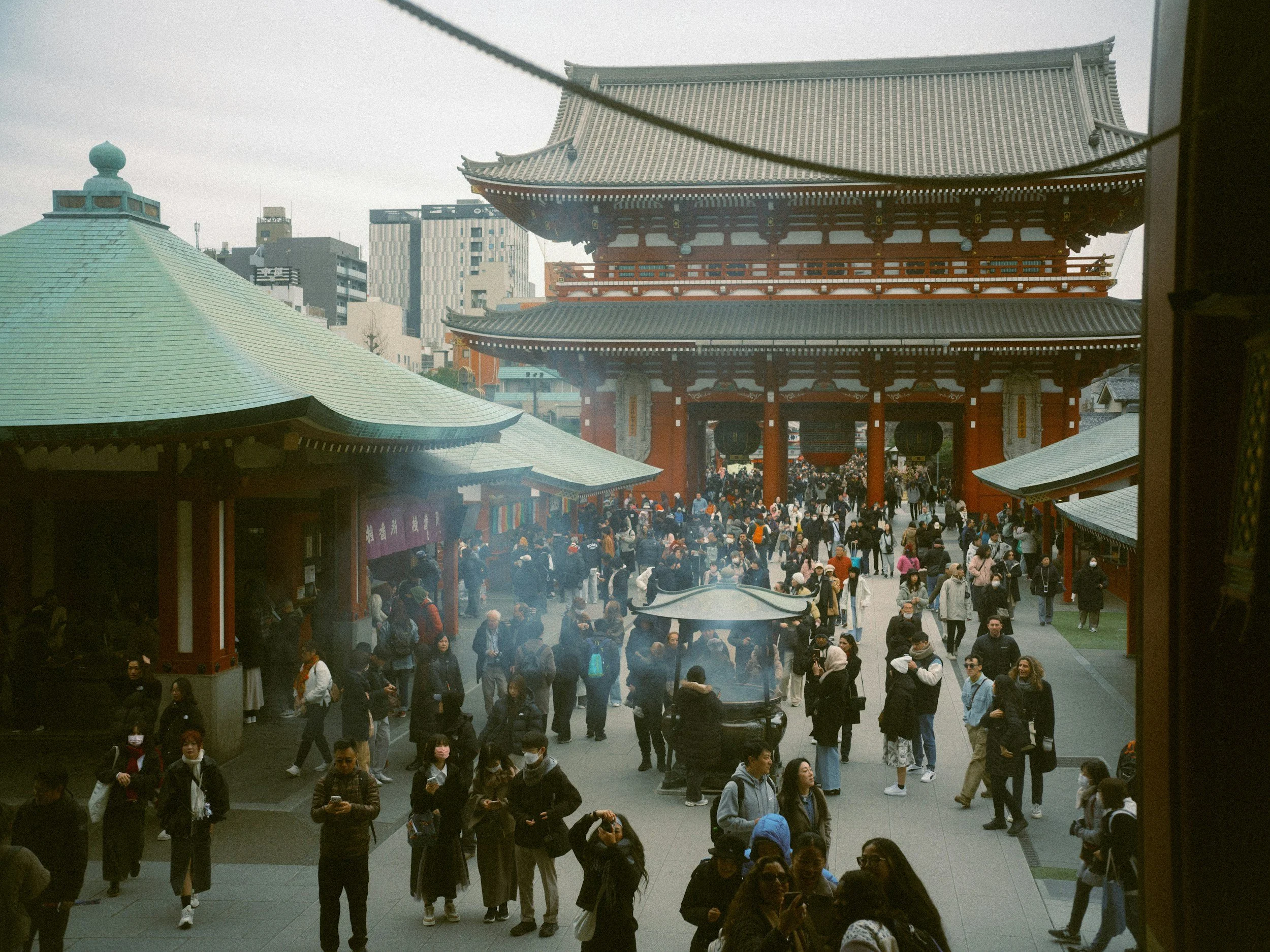
As 2026 approaches, many people planning a trip to Japan are asking the same basic question.
Is Japan Still a Good Place to Travel in 2026?
The answer is, all biases aside, a resounding “Yes!”
Japan is still one of the smoothest and most engaging countries to travel through.
Getting around works well
Cities feel safe and orderly
Food remains a highlight almost everywhere you go
What feels different is how trips come together. We see this most clearly with people planning busy season travel or returning after several years away. The decisions made earlier in the process tend to show up more clearly once the trip starts.
Japan Travel in 2026: The Lowdown
Japan remains straightforward from a logistics point of view. Trains run on time. Hotels do what they say they will do. Most days go smooth as silk, with just enough adventure to keep things fresh and new but neither frustrating nor confusing.
And here’s something else we’ve seen from experience, both ours and of clients:
Trips that start with clear travel goals & priorities are far more likely to feel smooth, stress-free and well paced.
Trips that start loosely often move along well enough, but parts of the experience either come up short or fail to scratch the surface.
Gotta say, pretty much everyone enjoys Japan. But some travelers do leave feeling like somehow there was far more depth to Japan (and Japan travel) than they managed to reach.
What Has Changed About Traveling to Japan Recently
A few things have shifted in ways that become obvious once you arrive. None of these changes are dramatic on their own. Together, they influence how your Japan trip feels.
Increased pressure on major destinations (Tokyo, Kyoto, Osaka etc)
Travel demand continues to gather in familiar places. Tokyo, Kyoto and Osaka (aka the Golden Route of Japan travel) see the highest volume, especially during busy seasons and peak windows. Hiroshima and Kanazawa are quickly becoming a silver route of their own, and Golden Route-adjacent destinations like Nara and Hakone are more popular than ever.
We notice this most in hotel availability and crowd levels. Well known neighborhoods book up earlier. Certain train routes feel busy at the same times every day. Popular districts stay full from mid morning through the evening.
At the same time, plenty of other areas in Japan remain calm. The pressure is uneven, and knowing where it concentrates makes a real difference.
Fairly stable travel costs in Japan
Japan is not exactly a “budget” destination, but it offers good value. Accommodation prices in major cities reflect constant demand and a wider mix of international travelers.
We see fewer swings than in the past. Prices tend to hold rather than drop, especially during peak periods.
Waiting often reduces choice rather than improving value.
Less room for spur-of-the-moment during Japan’s peak travel seasons
Busy travel periods now favor earlier decisions around where you sleep and how you move between cities. Cherry blossom season, autumn foliage, school holidays and major events bring steady demand.
Arriving in Japan without a solid plan might still work during quieter times, though your mileage may vary. During busy stretches, those early choices often shape the rest of your Japan trip in ways that are hard to change (or recover from) later.
Japan-based planning support
Feeling Overwhelmed by All the Choices?
Japan trips often start simple and then quickly turn into too many cities, too many ideas and too many tabs open. If you want a travel expert who actually lives here in Japan to help you narrow it down and make smart decisions for your trip, that is exactly what our planning sessions are for.
Start HereWhat Has Not Changed About Traveling to Japan
Many of the things people value most about Japan remain similar to previous years.
Japan ease of transportation & navigation
Japan continues to be one of the smoothest countries for independent travel. Public transport is reliable. Stations are well marked. Payment systems are improving year by year. English support is widely available.
Most travelers tell us that getting around is easier than they expected.
Booking trains such as Japan’s famous shinkansen bullet train, though, remains a bit of a challenge, with multiple “JR” websites (depending on which region you’re traveling to/through) and an array of third-party resellers (some better than others).
That’s one of the advantages we provide clients at Japan Travel Pros, collaborating with you to build itineraries and help you purchase train tickets in real time via Zoom.
Safety, comfort & reliability in Japan
Japan still feels safe and orderly. Travelers of all ages move through cities and rural areas with confidence. This consistency remains one of the country’s strongest qualities.
Depth beyond the Golden Route
Away from the busiest corridors, there are still many places in Japan that feel lived in and layered. They do not show up as often online, though they remain easy to reach with the right planning approach.
Access now depends more on where you look and how early you decide.
What Most Travelers Underestimate When Planning Japan Travel
This is where Japan trips often lose shape without anyone noticing at the time.
Seasonal crowd compression
Travel demand in Japan often clusters tightly around certain weeks. Shoulder seasons still exist, though the window is narrower than it used to be.
We see this play out when two trips in the same month feel completely different based on timing alone.
Event driven demand spikes
Festivals, domestic holidays, school schedules and large events create short term surges in specific places in Japan. These don’t tend to show up clearly in online planning tools.
The opportunity cost of traveling too spontaneously in Japan
Online content often makes Japan look endlessly spontaneous. What you do not see is the planning behind many of those moments.
When demand is high, flexibility can quietly limit choice.
Still gathering ideas?
Tell us what you're dreaming of.
If you aren't ready for a formal consultation but want to get your ideas on paper, share your trip details with us. Tell us your dates, your challenges, and what you’re most excited about, and we’ll see how we can help.
Share My Trip DetailsHow to Plan a Better Trip to Japan in 2026
Planning a great trip to Japan means planning with care rather than complexity.
Fewer bases & longer stays when traveling in Japan
Reducing the number of overnight moves improves flow and lowers fatigue. It also opens up better accommodation options and gives places time to settle.
We often see Japan trips improve simply by staying in one place an extra night.
To find out more, check out our article on employing a strategy of slower and more deliberate travel in Japan.
Booking key nights earlier
There is generally no need to lock in every detail several months ahead for your Japan trip. Securing the nights that anchor your journeys makes the rest of the planning process easier.
Once those are set, many other decisions become simpler.
Prioritizing experience over volume
Japan trips tend to be more memorable when shaped around how days are meant to feel. This strategy is almost always superior to Japan trips built around covering ground at the cost of any real depth.
Space in the schedule changes how a destination feels - and lasts in your travel memories..
Who Misses Out the Most When Traveling in Japan in 2026
Some Japan trips feel cohesive from the first day to the last. Others feel busy without ever settling.
The difference usually comes down to how one’s travel priorities were set and how early decisions were made.
We see the following patterns come up again and again.
Travelers who prioritize flexibility over direction
Waiting to choose accommodation until arrival
Treating hotels as interchangeable
Assuming convenience leads to quality
During busy periods, options narrow quickly, and the trip shape follows.
Repeat visitors using outdated assumptions about Japan’s evolving travel scene
Returning with expectations shaped by earlier trips
Relying on patterns that no longer hold
Assuming pacing will sort itself out
Japan still offers plenty of generosity. Clearer planning now plays a larger role.
Travelers planning mainly through social media
Choosing places because they look familiar
Packing days tightly
Letting visibility guide decisions
Well known places rarely tell the whole story. Some of them are downright tourist traps. Others are just crowded and tired.
Travelers who overlook pace, jet lag & other realities
Treating destinations as separate stops
Underestimating arrival fatigue
Loading early days without thinking through what follows
What happens early affects everything that comes after.
Travelers who settle for what is available
Booking based on availability alone
Allowing logistics to drive the shape of the trip
Not exploring what lies beyond, or not veering off the beaten path
These trips usually go fine day to day. They just do not come together in hindsight.
Why Thoughtful Planning Matters More for Japan Travel Now
Planning for a memorable trip to Japan makes a big difference.
The strongest trips tend to be simple in structure. They account for timing, logistics and day to day energy without overcomplicating things.
We usually hear the difference after the trip is over (and when the planning starts for the next Japan trip), when travelers talk about what stood out and what felt rushed.
JAPAN TRAVEL EXPERTS AT YOUR SERVICE
Let’s Simplify This
There is a lot of information out there. Some of it is helpful. Some of it just makes things harder. If you want clear, honest guidance from someone on the ground in Japan, we can talk through your ideas and help you move forward with confidence.
Book a Strategy SessionPlanning the Japan Trip You Actually Want
Japan offers many ways of travel. Urban and rural. Fast paced and slow. Structured and open ended.
What has shifted is how much of that experience depends on early & careful planning rather than chance.
Careful planning creates room for presence. That is where Japan continues to stand apart.
