

What Experienced Japan Travelers Do Differently on Their Second Trip
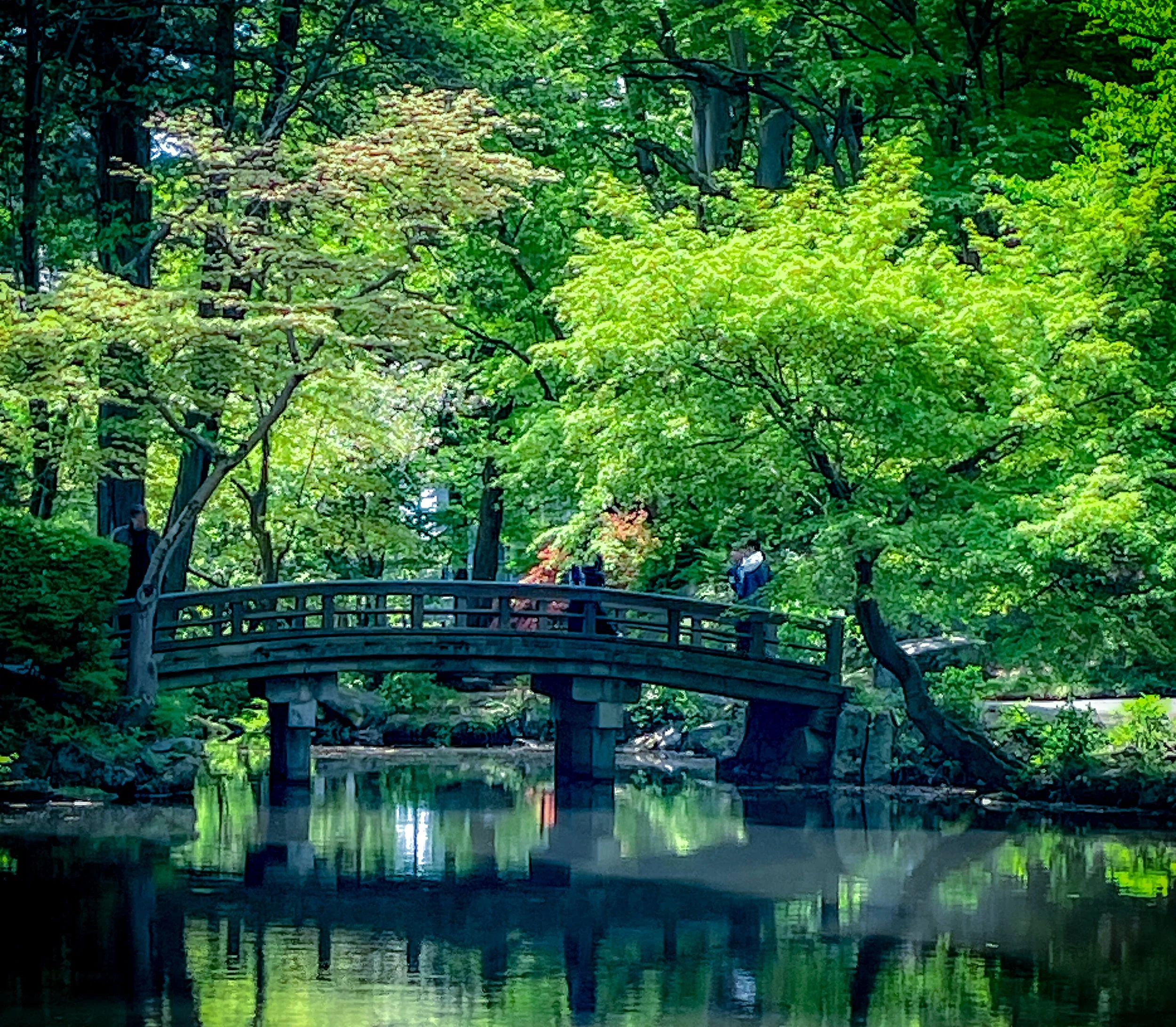
The first trip to Japan often feels enormous.
People arrive carrying years of anticipation along with giant lists of places they want to see. Tokyo, Kyoto, Osaka, Nara, Hakone, Hiroshima, themed cafes, observation decks, scenic trains, famous shrines, hidden bars, anime shopping, onsens, day trips… whew, that’s a lot.
There is a strong urge to fit everything in.
That instinct makes sense.
It also make things… overwhelming.
Japan feels far away for many travelers. Flights are expensive. Vacation time is limited. People worry they may never return.
So first trips often become ambitious by default.
Then something interesting happens.
A surprising number of travelers return home saying some version of: “Next time, we’re slowing down.”
Not because the trip was bad.
Usually because they discovered Japan works differently than they expected.
TLDR
Experienced Japan travelers usually slow down on later trips
They make fewer hotel changes and spend more time in fewer places
They focus less on “coverage” and more on atmosphere & slower, deeper experiences
They often branch beyond the classic tourist circuit
They become more realistic about energy, transit & crowds
Smaller moments often become the most meaningful memories
“The first trip to Japan is often about seeing Japan. The second trip is more about experiencing it.”
First Trips Are Naturally Ambitious
We should be clear about something first.
There is nothing wrong with wanting to see Japan’s most famous places.
Tokyo, Kyoto and Osaka are popular for good reasons. Many first time travelers genuinely love these cities. There is a reason the classic Golden Route exists in the first place.
And realistically, many travelers only have one or two weeks available. Of course they want to experience as much as possible.
A first Japan trip often becomes a mix of excitement, curiosity and fear of missing out (FOMO). Travelers spend months researching, saving videos and building lists. By the time they arrive, the trip can start feeling like a giant puzzle they need to solve correctly.
Then they experience Japan in real life.
And that experience often reshapes how they want to travel the next time.
Japan Revisitied: The Pace Changes First
One of the clearest differences on a second trip is pacing.
First trips often involve:
many early mornings
packed sightseeing days
multiple hotel changes
aggressive day trips
long transit days
pressure to maximize every hour
At first, this pace can even feel exciting.
But somewhere around day six or seven, many travelers start realizing how much energy Japan travel actually requires. This country is incredibly efficient, but it is also physically demanding in ways people do not always anticipate.
There is a lot of walking. A lot of stairs. A lot of navigation. A lot of decision making.
Even something simple like transferring trains with luggage in a large station can drain energy.
The Mental Side of Constant Movement
Experienced travelers often become more protective of their mental bandwidth.
On a first trip, people tend to underestimate how tiring it can feel to:
constantly check maps
coordinate train schedules
navigate unfamiliar stations
move luggage repeatedly
adapt to new hotels every couple of nights
Eventually many travelers realize they spent large parts of the trip operating in “logistics mode.”
That realization changes how they plan the next time.
Instead of trying to see everything, they start asking: “How do we want the trip to feel?”
Fewer Hotel Changes
This is one of the biggest evolutions we see.
Many first timers build itineraries that look like this:
Tokyo
Hakone
Kyoto
Osaka
Hiroshima
Kanazawa
Takayama
Tokyo again
Each stop may only be one or two nights.
On paper, it feels efficient.
In reality, travelers often underestimate:
packing fatigue
check in/check out logistics
station navigation
luggage forwarding coordination
the mental load of constantly relocating
Experienced travelers start simplifying.
Instead of changing hotels every other day, they may:
stay longer in Kyoto
use Osaka as a regional base - or avoid Osaka altogether
spend four or five nights in Tokyo without splitting neighborhoods - or shorten the Tokyo portion on the 2nd trip in favor of “new” cities/regions
Visit a region more in-depth, like Kyushu, Tohoku or Hokkaido
That change sounds small.
But removing even one hotel move can noticeably improve the pace and feel of the trip.
Also, second-time visitors to Japan tend to stay longer. They’re not here to pack in a gazillion checklist items into 7-10 days. They’d rather slow it down and stretch out their time in Japan.
“A calmer itinerary often creates more vivid memories than a crowded one.”
Travelers Become Better at Reading Tradeoffs
This is another major shift.
First timers often search for “best.”
Best neighborhood.Best ryokan.Best city.Best hidden gem.
Experienced travelers slowly realize Japan travel planning is mostly tradeoffs.
For example:
staying in Gion may feel atmospheric but crowded
staying near Kyoto Station may feel more practical
Shibuya is exciting but intense
smaller regional cities can feel relaxing but quieter at night
famous onsen towns may involve longer travel days
Summer vacation is ideal for the kids - but summer is far from ideal as a season to visit Japan
No option is universally correct.
Once travelers understand this, planning becomes less stressful.
Instead of chasing perfection, they start building around priorities.
Experienced Travelers Stop Trying to “Win”
A lot of first trips carry invisible pressure.
People want:
maximum value
maximum efficiency
maximum coverage
maximum memories
Over time, repeat travelers usually loosen their grip.
They become more comfortable leaving things for next time.
And ironically, that often leads to a better trip.
Social Media Loses Some Power
Social media heavily shapes first trips to Japan now.
Travelers save endless lists:
cinematic train rides
famous photo spots
hidden cafes
themed snacks
“must visit” neighborhoods
scenic streets from TikTok
After visiting Japan, many people begin separating:
places that photograph well… from …
places that feel enjoyable in real life
Those are not always the same thing.
Some highly photogenic places become exhausting by midday. Travelers may spend more time waiting in lines or navigating crowds than enjoying the place itself.
Kyoto is probably the clearest example of this in 2026.
Many visitors arrive expecting peaceful cinematic streets because that is how Kyoto appears online. Then they reach places like Higashiyama or parts of Gion in the middle of the day and discover dense crowds, tour groups and nonstop photo traffic.
That does not mean Kyoto is ruined.
Far from it.
It usually means travelers begin understanding that timing matters more than social media implies.
The Places That Stay With People
A funny thing happens on second trips.
People often stop talking about “must see” attractions … and start talking more about:
atmosphere
pace
neighborhoods
small routines
Some of the memories that stay with travelers longest are surprisingly ordinary:
returning to the same coffee shop two mornings in a row
finding a quiet side street in Kyoto before 8am
grabbing food from a department store basement after a long day
wandering through a neighborhood near the hotel at night
taking a local train with no real agenda
Those moments don’t really trend online.
But they often become the emotional core of the trip.
Regional Japan Starts Becoming More Interesting
A lot of second trips begin branching outward.
Not because travelers are trying to be “off the beaten path.”
Usually because they realize Japan’s appeal extends far beyond the most famous districts.
Regions like Shikoku, Kyushu, Tohoku and Hokkaido.
Destinations like:
Morioka
Matsumoto
Onomichi
Toyama
Fukui
Matsue
often appeal to repeat travelers because they offer:
slower pace
easier navigation
fewer crowds
stronger sense of daily life
more breathing room
Many experienced travelers still return to Tokyo and Kyoto repeatedly too, of course.
The difference is that they engage with those cities differently now.
Instead of trying to “complete” Tokyo, they may spend an afternoon simply exploring one neighborhood.
Instead of stacking five major Kyoto sights into one day, they may spend the morning around Nanzenji or the Philosopher’s Path and leave the afternoon mostly open.
Overtourism Also Changes Japan Travel Behavior
By 2026, some famous areas of Japan feel noticeably different than they did even several years ago.
Parts of:
Kyoto
Shibuya
Asakusa
Dotonbori
Nishiki Market
can become extremely crowded during peak hours.
Experienced travelers adapt.
They:
wake up earlier
explore at night
stay longer in one area
avoid stacking too many major tourist zones into one day
accept that some famous places are best enjoyed briefly - or not at all
understand where the tourist traps in Japan are (at least one is mentioned above)
Many repeat visitors also become less obsessed with chasing every “hidden gem” online.
Because increasingly, the internet finds those places quickly.
Travelers Learn the Difference Between Seeing & Absorbing
This may be the biggest shift of all.
On first trips, travelers often measure success through checklist ‘accomplishment.’
How many places did we see?
Later, many travelers begin valuing absorption instead.
Did we have time to notice the place? Did we settle into the rhythm? Did we leave room for spontaneity? Did we enjoy our mornings? Did we feel rushed all day?
Japan is ideal for slower observation, more than many destinations.
Tiny details begin surfacing:
neighborhood sounds at night
seasonal foods appearing in convenience stores
quiet moments between train arrivals
local commuting rhythms
the changing atmosphere after sunset
the feeling of walking through a residential area at dusk
These things rarely appear in itinerary checklists.
Yet they often become the memories people carry home.
“Japan becomes more enjoyable once you stop trying to extract maximum value from every hour.”
AI & Modern Planning Tools Still Matter
Second trip travelers still use AI, Reddit, YouTube and blogs constantly.
The difference is how they use them.
Instead of asking, “How do we fit everything?”
They begin asking:
what pace fits us?
where do we want breathing room?
which neighborhoods suit our style?
what tradeoffs are worth making?
which parts of the itinerary feel too dense?
That is a very different style of planning.
And it usually produces a calmer, more sustainable trip.
A More Grounded Way to Travel Japan
One reason many repeat travelers enjoy Japan more over time is because they stop trying to force the trip into an idealized version they saw online.
They become more comfortable with:
slower mornings
repeat visits
simpler days
unstructured time
smaller experiences
Japan has incredible landmarks.
It also has incredible ordinary moments in daily life.
Often the second trip is where travelers finally leave enough room for those moments to surface.
Planning a Japan Trip That Fits Real Life
At Japan Travel Pros, many of the travelers we work with are trying to find that balance.
Some are planning their first trip and want help building something realistic.
Others are returning to Japan and trying to travel differently this time:
fewer hotel changes
calmer pacing
better regional balance
more enjoyable day structure
less logistical overload
Our role is not to replace your research.
We are the humans in your travel tech stack, here to help refine your planning into a trip that feels good on the ground, not just impressive on paper.
If you’d like help stress testing or refining your itinerary, your next step is to schedule an itinerary review or consultation with Japan Travel Pros.
